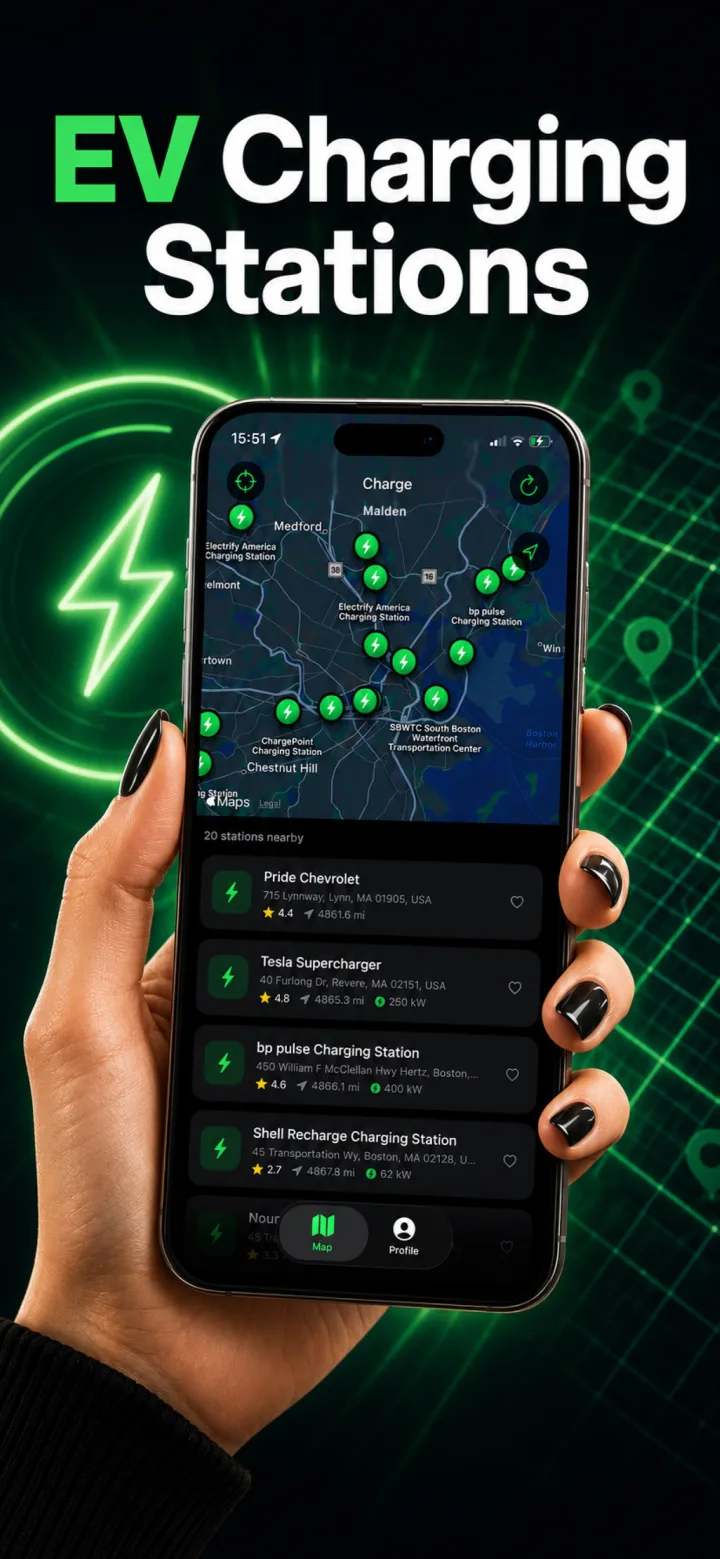
Public charger reliability has historically been a real pain point — broken screens, unresponsive payment systems, and stalls reporting 'available' when they're actually out of service — though it has meaningfully improved as networks mature.
Why reliability varies so much by network
Single-operator networks that build and maintain their own hardware (like Tesla Supercharger) have generally posted higher uptime than networks relying on many third-party site hosts with inconsistent maintenance budgets.
Checking ratings before you commit
Station ratings and review counts are one of the most useful signals available before driving to a specific charger — a station with a low rating and few reviews is a real risk factor worth avoiding, especially on a tight schedule.
Always have a backup
Given that any individual station can be down without warning, planning routes with a second nearby option — rather than betting everything on one stop — remains the single most effective way to avoid getting stranded.
Is reliability getting better across the industry?
Generally yes — increased competition, new automaker-backed networks like Ionna, and growing public pressure have pushed most major networks to invest more heavily in uptime and maintenance over the past few years.